
Selling a company is a multi-stage process, and the way it’s run — not just the numbers behind it — has a real effect on the price a business owner walks away with. This guide breaks down the sell-side M&A process step by step: how a business gets prepared for sale, how it’s valued, how buyers are found and vetted, and what actually happens between a signed letter of intent and a closed deal.
Keep reading to see how each stage works, which auction structure fits which type of seller, and the tools advisors use to keep a deal on track.
Key Takeaways
- Sell-side M&A is the set of steps a business owner and their advisors run to find a buyer and close a sale on the best available terms. A typical process takes six to nine months from engagement to close.
- Business brokers and M&A advisors lead the process end to end: valuing the business, preparing marketing materials, vetting buyers, negotiating terms, and coordinating due diligence and closing.
- The core stages are preparation, valuation, marketing to buyers, negotiation, due diligence, and closing — each one narrows the buyer pool and firms up price and terms.
- Sellers can run a broad auction, a limited auction, a targeted auction, or an exclusive negotiation with a single buyer — each trades off competition (and price) against confidentiality and speed.
- Virtual data rooms and financial modeling keep sensitive documents secure and give both sides a shared, defensible basis for valuation throughout the process.
What Is Sell-Side M&A?
Sell-side M&A refers to everything a business owner and their advisors do to prepare a company for sale, find the right buyer, and close the transaction on the best possible terms. Advisors representing the seller — usually a business broker or an investment bank, depending on deal size — run the process on the seller’s behalf, from the first valuation conversation through closing.
Most sell-side processes take six to nine months from engagement to close, though smaller, less complex businesses can move faster and larger or more complicated deals can take longer. Many processes run a two-round bidding structure: an initial round narrows a larger buyer list down to a handful of serious prospects, and a second round produces the final, binding offers.
Antitrust review can also affect timing on larger deals. The FTC and DOJ’s 2023 Merger Guidelines — confirmed by both agencies as still in effect in 2026 — set out how regulators evaluate whether a transaction could reduce competition, and larger sell-side deals are run with that framework in mind from the start.
Investment bankers and business brokers typically lead the entire effort, from the first conversation about building an exit strategy, through the valuation process, to running the full sale.

The Role of Business Brokers and Advisors
Business brokers, investment bankers, and M&A advisors play the central role in sell-side M&A. They value the business using multiple methods — comparable-company analysis, precedent transactions, and discounted cash flow analysis among them — so the asking price is grounded in more than one data point.
From there, they help structure the deal, advise on financing and legal compliance, and manage the buyer relationships so the seller isn’t negotiating alone. On larger transactions, the advisor’s investment bank may also issue a fairness opinion — an independent assessment that the price is fair — which helps protect the board of directors from shareholder litigation.
Sell-Side M&A Process at a Glance
Before the step-by-step breakdown, here’s how the six core stages line up against typical duration and what each one produces:
| Stage | Typical Duration | Key Output |
|---|---|---|
| 1. Preparation | 4–8 weeks | Advisor team selected, sales document (CIM) drafted |
| 2. Valuation | 2–4 weeks (often overlaps with prep) | Defensible asking price range |
| 3. Marketing to buyers | 4–8 weeks | Buyer list, signed NDAs, first-round indications of interest |
| 4. Negotiation | 4–6 weeks | Letters of intent, chosen buyer(s) |
| 5. Due diligence | 6–10 weeks | Verified financials and operations, final purchase agreement terms |
| 6. Closing | 2–4 weeks | Signed purchase agreement, funds transferred |
Detailed Steps in the Sell-Side M&A Process
The sell-side M&A process moves through six connected stages: preparing the business for sale, valuing it, marketing it to buyers, negotiating terms, running due diligence, and closing. Each stage narrows the field and firms up price and terms.
1. Preparing the Business for Sale
Preparation starts with selecting the advisory team. Law firms and investment banks pitch for the engagement in what’s often called a “beauty contest” or bake-off, presenting their view of the business’s value, relevant industry experience, and a realistic timeline. The seller’s own legal counsel typically evaluates these pitches before choosing who to work with.

The advisory team then builds the sales document buyers will actually read: a summary of the business’s performance, its competitive advantages, and why it’s worth acquiring. Getting this document right matters — it’s the first real impression most buyers will form of the company.
2. Valuing the Business
Valuation draws on financial records, market conditions, and industry trends to produce a defensible price range. Clean, well-organized financial statements make this step faster and give buyers more confidence in the numbers. A Confidential Information Memorandum (CIM) — the detailed document described below — typically pulls this valuation work together for buyers.
Common valuation methods include discounted cash flow analysis, which projects future cash flows and discounts them to present value, and comparable-company or precedent-transaction analysis, which benchmarks the business against similar companies that have recently sold. Using more than one method gives sellers and their advisors a realistic sense of what a fair offer looks like before buyer conversations even start.
Related reading: How Much Is a $10 Million Company Worth? 2026 Valuation Guide.
3. Marketing the Business to Potential Buyers
Once the business has a defensible valuation, it’s time to go to market. Business brokers and advisors build a list of realistic buyers — strategic acquirers, financial buyers, or both — and review that list with the seller before making contact.

Interested buyers first receive a teaser: a short, one-to-two-page anonymous summary designed to gauge interest without disclosing the seller’s identity. Buyers who want to go further sign a non-disclosure agreement (NDA) and then receive the Confidential Information Memorandum, or CIM — a much longer document, often 50-plus pages, covering financials, operations, market position, and growth potential in detail.
4. Negotiating With Potential Buyers
Negotiation is where both sides evaluate strategic fit and work toward terms. The seller’s advisor typically manages this stage, running parallel conversations with multiple buyers to keep leverage on the seller’s side.
Serious buyers submit a letter of intent (LOI): a non-binding document that lays out proposed price, structure, and financing, and signals genuine interest without committing either side to close. From there, buyers move toward a final bid — a firm offer that, if accepted, leads into due diligence, where the buyer verifies every material detail of the business before signing the final purchase agreement.
5. Conducting Due Diligence
Due diligence is where the buyer’s team verifies everything the CIM and negotiations claimed about the business. Advisors typically set up a virtual data room — a secure, permissioned online repository — so the buyer’s accountants, lawyers, and operating team can review contracts, financials, and other sensitive material without it circulating more broadly than necessary.
This stage usually includes management meetings and a formal question-and-answer process, giving both sides a chance to resolve open issues before anyone signs a binding agreement. It’s the step that keeps risk low for both the buyer and the seller heading into closing.
6. Closing the Transaction
To close, each side’s legal counsel finalizes the purchase agreement with the winning bidder — selected based on deal certainty, financing strength, and how much of the offer is cash versus contingent consideration. On larger deals, the advising investment bank may issue a fairness opinion, a professional assessment that protects the board of directors from shareholder claims that the price was inadequate.
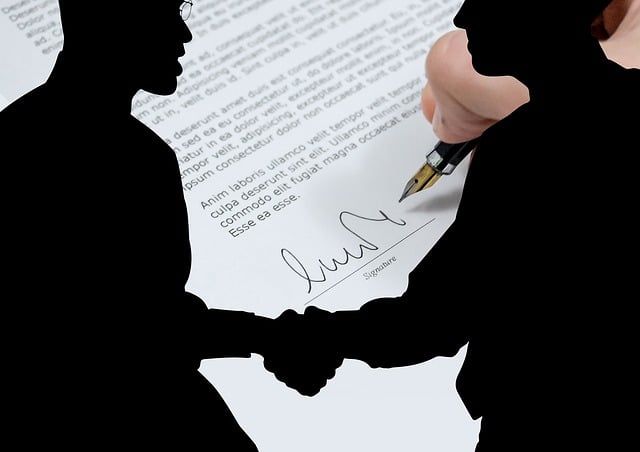
Closing is where every detail in the agreement has to match what both sides actually negotiated — correct legal documents, correctly structured payment, and a signed sale and purchase agreement that makes the transaction final and legally binding.
Sell-Side vs. Buy-Side M&A: What’s the Difference?
Sell-side and buy-side M&A describe the same transaction from opposite chairs. Sell-side advisors represent the business being sold and work to maximize price and find the best-fit buyer. Buy-side advisors represent the acquirer and work to identify targets, negotiate favorable terms, and confirm through due diligence that the target is worth what the seller is asking.
| Sell-Side M&A | Buy-Side M&A | |
|---|---|---|
| Represents | The business owner selling the company | The company or investor acquiring a business |
| Primary goal | Maximize sale price and terms | Acquire the right target at a fair price |
| Key deliverable | Confidential Information Memorandum, buyer list | Target list, valuation model, due diligence findings |
| Typical fee structure | Success fee based on final sale price | Success fee or retainer, sometimes tied to deal size |
Some advisory firms, including ValleyBiggs, work both sides of the market — representing sellers on some engagements and buyers on others — which gives them a practical view of how both sides actually negotiate.
Choosing an Auction Structure for Your Sale
How a seller runs the buyer process — wide open or tightly controlled — has a direct effect on price, speed, and how much the market knows about the sale. Four structures cover most sell-side deals:
Broad Auctions
A broad auction invites a large number of potential buyers to bid, which creates real competition and can push the final price higher. The tradeoff is confidentiality risk — more parties knowing the business is for sale means a higher chance information leaks — and more of the seller’s time spent managing a larger number of bidders.
Limited Auctions
A limited auction narrows the field to roughly 10–50 carefully selected buyers. It balances real competitive tension against discretion, and works well for sellers who want multiple offers without broadcasting the sale to the entire market.
Targeted Auctions
A targeted auction approaches five buyers or fewer, usually strategic acquirers with an obvious fit. This structure keeps the sale quiet and minimizes disruption to employees and customers, which matters most to sellers who prioritize confidentiality and fit over squeezing out every last dollar of competitive tension.
Exclusive Negotiation
In an exclusive negotiation, the seller talks with a single buyer. It’s typically the fastest path to a signed deal since there’s no competing bid to manage, but the seller gives up leverage that competition would otherwise provide, and may end up with a lower price than a limited or broad auction would have produced.
Technology in the Sell-Side M&A Process
Two tools do most of the heavy lifting on the technology side of a modern sell-side process: virtual data rooms for document security, and financial modeling for valuation and deal analysis.
Virtual Data Rooms
A virtual data room (VDR) is a secure, permissioned online repository for the sensitive documents shared during due diligence. It gives the seller’s team visibility into exactly who viewed which document and when, which matters when multiple buyers are reviewing material at once.

Setting up a VDR well starts with a due-diligence checklist that maps out every category of document a buyer is likely to request, with clear, consistent file naming so nothing gets lost or misread. Organized from day one through closing, a well-run VDR reduces the risk of losing critical information and keeps buyer conversations moving smoothly.
Financial Modeling
Financial modeling underpins every valuation conversation in an M&A deal. A well-built model tracks revenue, expenses, cash flow, and risk factors, and lets both sides evaluate outcomes under different assumptions rather than negotiating off a single static number.
These models give buyers and sellers a shared, fact-based starting point for negotiation instead of competing gut estimates — which tends to produce faster, more defensible deals for everyone involved.
Conclusion
Selling a business well takes more than finding a willing buyer — it takes a structured process, the right advisory team, and the discipline to run valuation, marketing, negotiation, and due diligence in the right order. Getting each stage right is what separates an average outcome from a great one.
At ValleyBiggs, we manage the entire sell-side M&A process for business owners, with thousands of exits completed through a team of trained intermediaries and a large, active buyer network. Contact us today to talk through what a sell-side process could look like for your business.
Originally published November 24, 2024 · Updated September 26, 2026.
FAQs
1. What is sell-side M&A?
Sell-side M&A is the process a business owner and their advisors run to prepare a company for sale, find the right buyer, and close the transaction on the best available terms. The advisor represents the seller throughout, from the first valuation conversation to closing.
2. What are the stages of a typical sell-side M&A process?
The six core stages are preparation, valuation, marketing to buyers, negotiation, due diligence, and closing. Each stage narrows the buyer pool and firms up price and terms before moving to the next.
3. How long does the sell-side M&A process take?
Most sell-side processes take six to nine months from engaging an advisor to closing. Smaller, simpler businesses can move faster; larger deals, financing contingencies, or antitrust review can extend the timeline.
4. What’s the difference between sell-side and buy-side M&A?
Sell-side advisors represent the business owner selling the company and work to maximize price and terms. Buy-side advisors represent the acquirer and work to identify targets, negotiate favorable terms, and confirm value through due diligence.
5. What is a Confidential Information Memorandum (CIM)?
A CIM is a detailed sales document — often 50-plus pages — shared with buyers after they sign an NDA. It covers the business’s financials, operations, market position, and growth potential in enough depth to support a real offer.
6. Broad, limited, or targeted auction — which is right for my business?
A broad auction maximizes competition and price but carries more confidentiality risk. A limited auction (roughly 10–50 buyers) balances competition with discretion. A targeted auction (five buyers or fewer) or exclusive negotiation keeps the sale quiet, which suits sellers who prioritize confidentiality and speed over squeezing out the highest possible price.
7. Why do sellers need sell-side M&A advisory services?
Advisors reduce the information gap between buyer and seller, manage the risks that come with negotiating an illiquid asset, and typically secure better terms than an owner negotiating alone — while running the process so the owner can keep the business performing during the sale.
8. What happens after a sell-side M&A deal closes?
Most deals include a transition period agreed to during negotiation, where the seller and buyer’s teams work together to keep operations running smoothly as the business changes hands.

Related Articles
The Ultimate Due Diligence Checklist For Selling A Business
Everything buyers will ask for, organized by category, before a sale can close.
Continue Reading →How Much Is a $10 Million Company Worth?
How EBITDA multiples, SDE, and industry benchmarks determine what a company is actually worth.
Continue Reading →Boutique Investment Banks: The Full Guide
What boutique investment banks do differently, and when to use one instead of a broker.
Continue Reading →The Role of Investment Banks in M&A Deals
Where investment banks fit into a merger or acquisition, and how they differ from brokers.
Continue Reading →Startup Exit Strategies Other Than an IPO
Acquisition, management buyout, secondary sale, and other paths founders use to exit.
Continue Reading →Business Brokers In Dallas-Fort Worth, TX
What DFW business owners should know before starting a sell-side process.
Continue Reading →Latest From ValleyBiggs
Top 10 Best Business Brokers In Utah 2026
A ranked guide to the top certified business intermediaries selling companies across Utah.
Continue Reading →Top 10 Best Business Brokers In Oregon 2026
The leading brokers helping Oregon business owners sell for top value in 2026.
Continue Reading →Top 10 Best Business Brokers in Alabama 2026
The brokers Alabama business owners trust to manage a 2026 sale process.
Continue Reading →Top 10 Best Business Brokers In South Carolina 2026
A ranked look at the brokers helping South Carolina owners plan a 2026 exit.
Continue Reading →Top 10 Best Business Brokers Of Minnesota 2026
The Minnesota brokers with the strongest track record for 2026 business sales.
Continue Reading →Top 10 Best Business Brokers In Maryland 2026
A guide to Maryland’s top-performing business brokerage firms in 2026.
Continue Reading →