
Cybersecurity is no longer for big firms but for every online business. This makes selling a cybersecurity company potentially highly profitable – with the right business brokerage guidance. This tech industry is the expertise of ValleyBiggs for over 20 years, and offers a 100% success-based service with no upfront fees.
There can be a multitude of factors to consider, where to start, what a fair price is and how to keep the interest and negotiations private, when selling a cybersecurity company.
Well-known in the industry, companies with steady recurring revenue, and high client retention, are what get to the top of the pile with buyers, and those who supply managed services, known as MSPs, that can show off a reliable flow of money and a proven track record of hitting the bad guys also land lots of meetings.
Coming heading into this field can be tricky, but this guide will walk you through the whole process, covering market trends, sprucing up your financials and how ValleyBiggs weeds out any dodgy buyers who might leak your secrets to the press. If you’re looking for a clean, stress-free exit at a price you’re happy with, keep reading.
Key Points
- Buyers are willing to pay more for cybersecurity firms that are sitting pretty financially, with high recurring revenue, retained clients and spotless compliance with regulations like GDPR or SOC 2.
- Private equity groups are also on the hunt for companies that have a proven history of EBITDA growth, steady cash flow and a leadership team that’s ready for a smooth transition, post-closing. EBITDA is basically earnings minus interest, taxes, depreciation and amortization, divided by revenue.
- Three years of well-organised financial statements will put you in the good books of any buyer, and mid-sized companies tend to want businesses that have annual sales of at least $5 million.
- Tech M&A advisors like ValleyBiggs screen out any suspicious buyers, and keep the whole thing under wraps to stop any leaks.
- Companies that have got their security act together with employee training and practical risk management measures tend to get better offers in a rapidly changing market.
The Growing Importance of Cybersecurity in the Tech Sector
For cybersecurity companies, the demand for robust controls is increasing and no longer a luxury. Performance is the driving force across the sector, and private equity investors are focusing on MSPs, security operations centers and software platforms which offer a predictable and reliable revenue stream, typically in the form of healthy gross margins.
Deal terms have started to change, with earnouts tied to performance becoming a regular feature of transactions. Net lease models in real estate components of deals are being used more frequently, also in order to control cost and manage danger.
When it comes to setting prices, financial valuations are heavily based on Discounted Cash Flows, that take into account the net present value, or NPV of an investment, by forecasting earnings and applying risk adjusted discount rates. Having hard evidence of the ability to reduce danger. For example, penetration test results, can be crucial in increasing these forecasts.

Leadership is basically crucial in the sale of a cybersecurity company, as investors require calm operations and charismatic sales teams that can lower interruption in the aftermath of a deal being signed.
Preparing Your Cybersecurity Company for Sale
To get the best possible price, cyber security companies must be thoroughly prepared. Clean books, clear recurring revenue and a solid plan for the future, all of these will help you get a higher price and cut down on the time it takes for a deal to be processed.
Organizing Financial Statements and Demonstrating Recurring Revenue
Financial statements, including income statements, balance sheets, and cash flow statements for at least three years, are necessary. Separate revenue by line of business, such as MSP services or software subscriptions, so that buyers can see what drives your business.
Identifying your recurring revenue streams, including monthly monitoring and training subscriptions, top customers, contract terms, renewal dates and payment schedules will also be critical to convince buyers of your ability to generate a steady stream of income. Uncluttered visuals and charts can help as well, make it easy for any potential investors, bankers, salesmen or buyers to work through a merger and acquisition review.
Ensuring Regulatory Compliance and Risk Mitigation
Demonstrating regulatory compliance is basically a value indicator, and audited statements, written policies, and a record of conformity with European General Data Protection Regulation and state privacy laws like CCPA won’t be enough. Have a single, unified system so that nothing falls through the cracks.
Managed Service Providers should make public their business continuity plans and staff training in security awareness. When it comes to mergers and acquisitions, companies want to know how you will protect their data and keep their services available in the event of a problem.
Well-known risk reductions can actually increase a company’s value, and during the M&A process, having strong patching, access control, and logging systems is essential; being proactive in these areas will make your company more attractive to potential buyers.
Building a Strong Leadership and Technical Team
A capable team is a huge factor in raising a company’s value and the sorts of leaders that buyers are looking for are those who can talk the language of cyber threats, compliance, and MSP operations. Clear-cut roles and cross-training are really the key to a company being easily scalable, and buyers know it.
Secure the services of any top performers with fair agreements that have a brainy financial incentive component, pairing them up with engineers who can respond to brand-new threats and managers who can lay out a plan for growth.
Defining Your Unique Value Proposition
When highlighting your unique value proposition, a clear and defined point of view, back-up by data and client success stories will get the attention of a buyer, and really put your company in the driver’s seat.
Highlighting Niche Expertise and Service Offerings
Well-known niche expertise is what gets you noticed and threat intelligence, compliance automation and MSP know-how all contribute to fast and effective resolutions of industry-specific problems, cutting costs and saving time. Don’t waste space with general statements, security training for regular users and business continuity services can be the deciding factor in a nail-biting close call.
Opening with a brief assessment can build credibility and sharing your findings in clear language can map out exactly what you’ll be doing to kill off risks.
Showcasing ROI and Business Enablement for Buyers
Buyers are after results, not just features and so highlighting recurring revenue growth, client retention and contract length are three clear signals of a company’s durabilty. Your control systems should feed straight into results, show how you were able to slash downtime in half with managed detection and response and uniform SOC 2 programs and reveal the margin growth that resulted from rolling out these programs.
Steps in the Cybersecurity M&A Process with ValleyBiggs
A logical process will keep you on track, and strong positioning, meticulous screening and safe data sharing are what get you there, when merging with a cybersecurity firm.
Confidentiality and Buyer Screening
Confidentiality is paramount to shielding your team and clients. Advisors at ValleyBiggs use non-disclosure agreements and secure data rooms to ensure that sensitive information doesn’t leak out, and only pre-qualified buyers get access.
Initial phone calls with prospective buyers allow you to confirm their interest and gauge their fit, which is followed by further digging into the company’s training records, customer cohorts and operational background. The goal of controlling access is to safeguarding compliance and eliminate noise. It’s an effective way to save time and zero in on serious buyers who are able.
Strategic Positioning and Marketing to Buyers
Strategic positioning and marketing to buyers is far more effective than a scattergun approach. Present yourself with your specialisation in such things as email security, MSP backup, and continuity planning, and back this up with proof of recurring revenue and the ability to retain clients.
Coming straight out and addressing the risks and rules of the business early on is a great way to remove obstacles in one go.
You may see offers combining cash and holdbacks, and or earnouts dependent on growth and/or your performance after the deal is done, display your team’s talent and readiness for work and really command the respect of the buyer.
Negotiation and Deal Structuring
Disentangling complicated terms is also facilitated by clear-cut communications, with the help of ValleyBiggs we can set price targets, payment schedules, milestones, post-close support and make sure that both parties are on the same page when it comes to ongoing revenue.
Easy and basic deals mean no surprises, secure data vaults safeguarding sensitive documents, prevent final negotiations and signing being a bumpy ride. Both sides stay on track and know exactly what they’re getting.
Overcoming Common Buyer Objections
Debunking common buyer worries is also key to closing a deal, and reassuring statements supported by facts really calm nerves and gets the wheels turning on a deal.
Addressing Size and Scalability Concerns
When addressing size and scaling, buyers want to see that you can grow without taking a massive financial toll, and a walk-through of cloud capacity, automated systems and repeatable recipes is usually what they’re asking for.
So take a minute to demonstrate onboarding a large client in weeks, rather than months.
Show plans for staffing, partnerships and procedure manuals, and bar charts such as revenue per employee and quarterly client adds really make it easy to show growth.
Demonstrating Compliance and Security Standards
Also, make sure your network is secure, a penetration test can be very useful in this regard, when selling a business you need to comply with privacy laws like GDPR in Europe and CCPA in California.
Coming rushing into a due diligence period, short, snappy checklists are far more effective than lengthy speeches.
Maximizing Deal Value and Post-Sale Integration
To add real value to a sale, it’s all about the financials, bulletproof contracts, predictable cash flow, multi-factor authentication and super loyal customers who churn very little.
You want to keep your top talent on board, so they don’t walk away after the ink dries on the sale, and have a very clear plan for retention incentives.
Well-known threat detection runbooks, SOC 2 and ISO 27001 reports, and technical blueprints can be shared right away to iron out any potential errors within the first 100 days of the deal, and this reduces the risk of post-sale hitches.
Note that this is general information and shouldn’t be considered legal, tax or investment advice. Consult a professional to get a proper diagnosis of your situation.
Why Choose ValleyBiggs as Your M&A Advisor
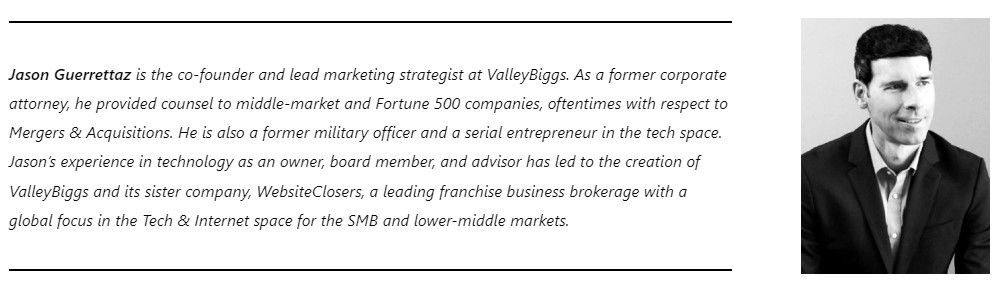
ValleyBiggs’ deep understanding of tech and cybersecurity helps shorten the learning curve and get the right buyers on board, which is basically the aim.
Middle Market Expertise in Tech and Cybersecurity
Years of working with middle market companies means our advisors know which buyers want managed security services, cloud protections and proven compliance programs. Most of the companies we work with fall into the revenue bracket of $5 million to $100 million, and what sets these companies apart is their ability to show revenue growth, regular contracts and a completely reliable customer base.
Risk management features, AI-powered detection, and a thorough due diligence process on SOC 2 and cyber insurance will also make it easier to establish your valuation and fend off investment bankers and strategic buyers.
We’ve successfully shepherded companies out of the cybersecurity market, and as a result they have seen higher offers once they clean up their financials and give a clear picture of their recurring income.
A medium-sized provider, having initially attracted early interest, progressed to signing and binding contracts with vetted buyers and establishing a robust reporting schedule.
Proven Success in Cybersecurity Transactions
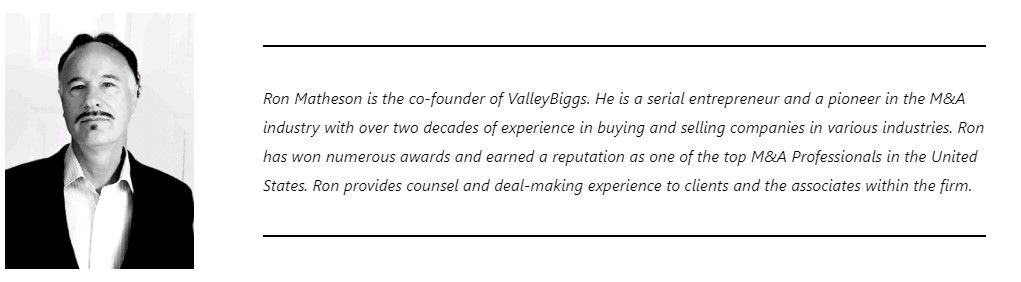
The buyers loved that they cut down the closing time. Sellers enjoy the seamless transition and happy clients that follow the sale, when selling a cybersecurity company.
Coming from a place of understanding, you’ll see that selling a cybersecurity business is not for the faint of heart, and needs a crystal-clear plan and a mountain of financial proof.
A strong cash flow, regular income, watertight compliance, and a team that’s reliable as a rock, all combine to fetch a top price and a spotless closing.
Conclusion
ValleyBiggs brings laser-sharp expertise in high-stakes tech deals and zero-tolerance for the wrong kind of buyers, guaranteeing that you’ll keep your sensitive information safe and the sale goes at a brisk pace.
If the thought of selling your cybersecurity firm is already on your mind, it’s time to get your ducks in a row, and then speak with an advisor to nail down your goals and the steps to take to get there, perhaps check out the case studies or book a short call.
FAQs
1. What steps should I take before selling my cybersecurity firm?
Take a look at the client testimonials and request a call. A well-prepared sales process turns difficult work into a guaranteed success story. Before selling your cybersecurity firm, you’ll want to take a good hard look at your financials, legal documents, and client contracts. Next, check in on your intellectual property rights and then distill your company’s strengths and growth potential into a neat summary.
2. How do buyers value a cybersecurity business?
Buyers of cybersecurity companies look for regular income, a pristine client list, cutting-edge technology, and a commanding position in the market.
They’ll also be on the lookout for robust security protocols and faithful support teams.
3. What makes a cybersecurity company attractive to investors?
Well-known investments are always attracted to real-world, proven solutions that knock out the latest digital threats.
With a locked-down client list and consistent cash flow from long-term service agreements, you’re guaranteed to get the attention of the investors.
4. Can I keep key staff after selling my security services provider?
When it comes to retaining top talent, many deals include clauses to keep them in place during the transition or, if the new owners want them to stay on for a bit longer.